How to Become a 911 Dispatcher: Your Complete Guide to Starting a Life-Saving Career
How to become a 911 dispatcher is a question many people ask when they want a career that is fast-paced, meaningful, and critical for public safety. Becoming a 911 dispatcher means you will be the first person people call when they face emergencies like accidents, fires, medical problems, or crimes. Your voice, decisions, and actions can save lives. Learning how to become a 911 dispatcher involves understanding the responsibilities, the required skills, training, and the steps you need to take to enter this vital profession.
A 911 dispatcher is more than just someone who answers calls. You will need to remain calm under pressure, think clearly, and communicate effectively with people in crisis. The job requires listening carefully to the caller, asking the right questions, and quickly sending help. Training programs, certifications, and real-life practice prepare dispatchers for the fast decisions they must make every day. How to become a 911 dispatcher also includes understanding the technology used in communication centers, learning emergency response procedures, and sometimes handling multiple calls at once. Many people want to know what schools, courses, or skills are necessary, and whether there are specific physical or mental requirements to become a dispatcher. By following a clear path, you can learn how to become a 911 dispatcher and enjoy a rewarding career helping your community in moments of urgent need.
What Does a 911 Dispatcher Do
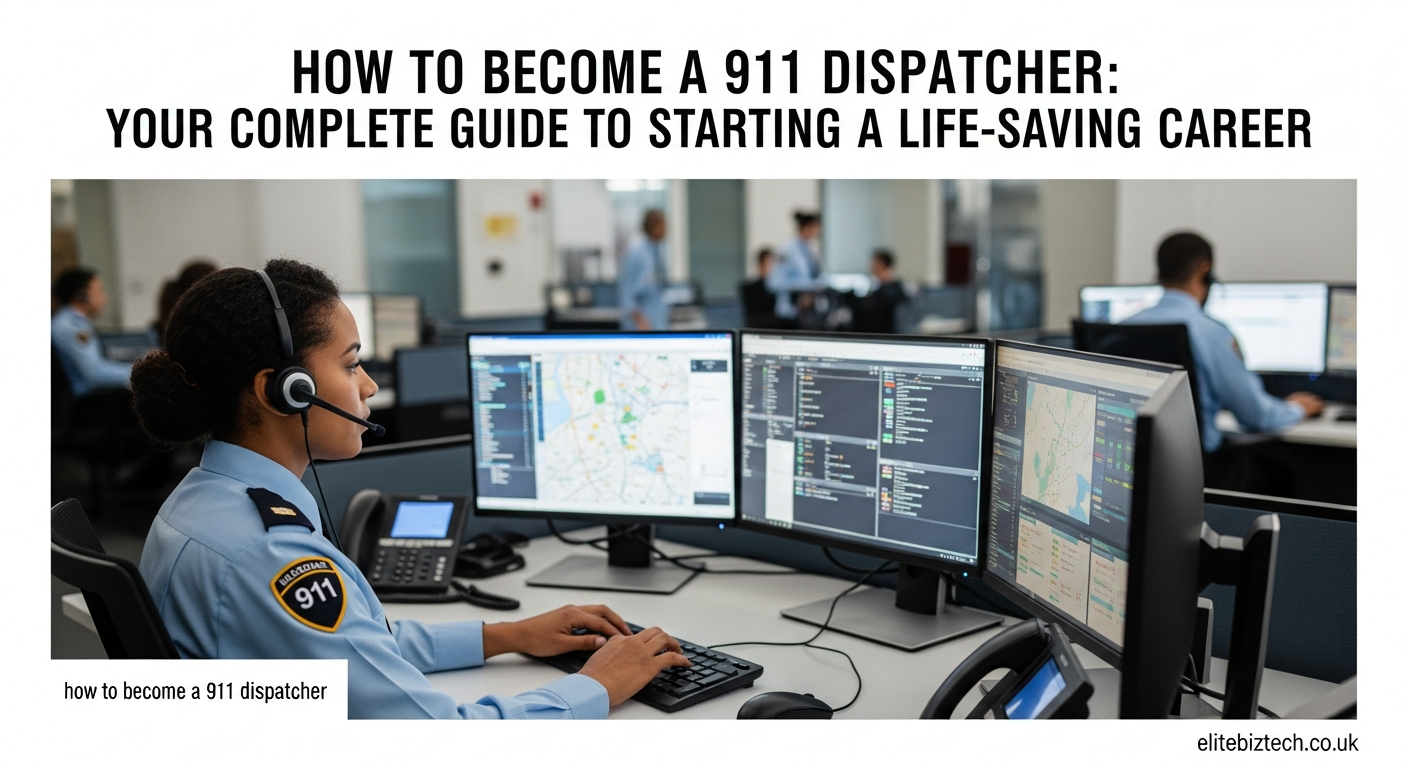
A 911 dispatcher answers emergency calls and decides what help is needed. They must quickly gather important information from the caller, like location, type of emergency, and any other details. Dispatchers then send the right help, whether it is an ambulance, police, or fire team. They also provide instructions to callers, such as how to perform first aid, stay safe, or protect themselves until help arrives.
The job requires multi-tasking. A dispatcher may be answering one call, typing notes for another, and sending emergency responders at the same time. They often work with software, radio systems, and other communication tools. Being able to stay calm, organized, and focused is key to being a successful 911 dispatcher.
Essential Skills Needed to Become a 911 Dispatcher
To succeed as a 911 dispatcher, you need several important skills. First, good communication is critical. You must be able to speak clearly, listen carefully, and write down information accurately. Second, problem-solving skills help you decide quickly what kind of help is needed. Third, emotional strength and stress management are vital. You will talk to people in very difficult situations, and staying calm will help both the caller and the responders.
Other important skills include attention to detail, quick thinking, computer literacy, and the ability to work in a team. Many dispatchers also develop strong memory skills to recall important information quickly during emergencies.
Education and Training Steps
Most 911 dispatcher positions require at least a high school diploma or GED. Some positions may prefer additional training in criminal justice, emergency management, or communications. After meeting the educational requirements, you will need specialized training to become a dispatcher.
Training programs usually cover call handling, emergency response procedures, stress management, and the use of dispatch technology. Some programs also include hands-on simulations where you practice real-life emergency scenarios. Learning how to stay calm, ask the right questions, and prioritize calls is part of this training.
Certifications and Licenses
Certification requirements for 911 dispatchers vary by state or country. Many dispatchers are required to pass a certification exam to demonstrate their knowledge and readiness. Common certifications include Emergency Medical Dispatch (EMD) and Public Safety Telecommunicator certifications. Some states may also require background checks, drug tests, and psychological evaluations.
Getting certified shows employers that you have the skills and knowledge to handle emergency calls safely and effectively. Even if it is not required in your area, certification can help you stand out when applying for dispatcher jobs.
How to Handle Stress and Stay Calm
Being a 911 dispatcher is stressful. You will hear scary, sad, or urgent situations every day. Learning to manage stress is a key part of the job. Many dispatchers use deep breathing, short breaks, and team support to stay calm. Talking to colleagues and sharing experiences can also help reduce stress.
Mental and emotional health is important. Some dispatch centers offer counseling or stress management programs. Practicing patience, mindfulness, and staying focused on your tasks helps you make better decisions in emergencies.
Technology and Tools Used by 911 Dispatchers
Modern dispatch centers use computers, radios, GPS systems, and special software to manage calls. Dispatchers must learn how to operate these tools efficiently. They may track the location of responders, input call information, and communicate with multiple teams at once.
Technology helps dispatchers coordinate faster and provide more accurate assistance. Knowing how to use it effectively can save precious minutes in an emergency.
Applying for a 911 Dispatcher Job
Once you have the right education, training, and certifications, it is time to apply for dispatcher positions. Many fire departments, police stations, and emergency communication centers hire new dispatchers regularly.
The application process may include written tests, typing tests, interviews, and practical scenarios. Being honest, professional, and showing your ability to stay calm under pressure can improve your chances of getting hired.
Career Growth and Opportunities
Starting as a 911 dispatcher can lead to many career opportunities. Some dispatchers move into training, supervision, or management roles. Others may specialize in emergency medical dispatching, police communications, or technology support.
The skills learned as a dispatcher are valuable in many emergency services roles. With experience and additional training, you can advance your career while continuing to serve the community.
Challenges 911 Dispatchers Face
911 dispatchers face several challenges. Dealing with distressed callers, long shifts, and high-pressure situations can be exhausting. Technical issues, multiple emergencies at the same time, and sometimes dealing with difficult callers are also common challenges.
Learning coping strategies, getting enough rest, and seeking support from colleagues are ways to manage these challenges. Many dispatchers find satisfaction in knowing that their work directly saves lives and helps people in need.
Real Stories: Life as a 911 Dispatcher
Dispatchers often share stories of emergencies they have helped with. These stories show how important their work is. Some have helped save lives during car accidents, fires, or medical crises. Listening to these stories can inspire new dispatchers and help them understand the real impact of the job.
Hearing how a calm voice and quick action helped someone in danger shows that becoming a 911 dispatcher is not just a job—it is a way to make a difference every day.
Conclusion
Becoming a 911 dispatcher is a career that requires skill, patience, and courage. How to become a 911 dispatcher involves learning the job, getting training, earning certifications, and developing emotional strength. It is a challenging but highly rewarding career that allows you to help people in urgent situations and make a real impact in your community.
FAQs
Q: What education do I need to become a 911 dispatcher?
A: Most positions require a high school diploma or GED. Additional courses in criminal justice or communications can help.
Q: Do I need certification to be a dispatcher?
A: Certification requirements vary by state, but many dispatchers get Emergency Medical Dispatch (EMD) or Public Safety Telecommunicator certification.
Q: Is the job stressful?
A: Yes, it can be very stressful, but training, experience, and stress management techniques help dispatchers stay calm.