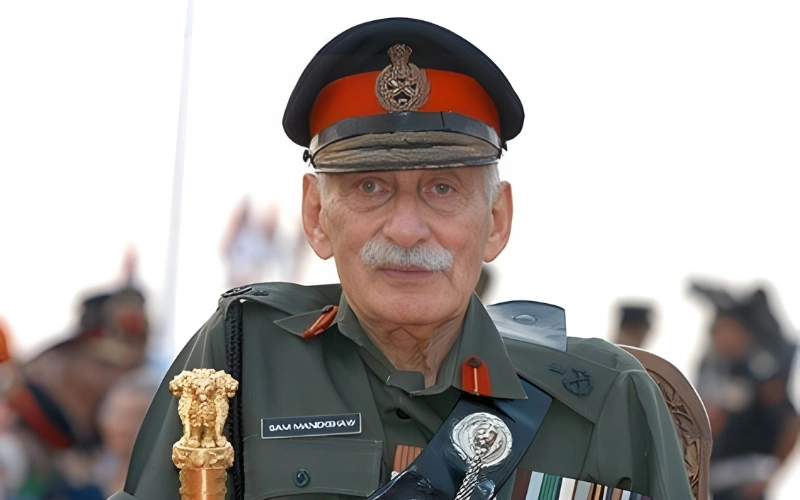
Sam Manekshaw: The Life, Lessons, and Legacy of India’s First Field Marshal
Have you ever heard of a man so brave that he was shot nine times and lived to tell the tale? That man was Sam Manekshaw. Most people in India know him as “Sam Bahadur,” which means Sam the Brave. He wasn’t just a soldier; he was a leader who changed the history of South Asia forever. As the first Indian officer to reach the rank of Field Marshal, his life is full of stories that sound like they come straight out of an action movie.
Sam was born in 1914 in Amritsar. Interestingly, he didn’t actually want to join the army at first! He wanted to be a doctor like his father. But when his father said he was too young to study medicine in London, Sam rebelled. He took the entrance exam for the Indian Military Academy just to show he could do it. He passed, and India gained its greatest military mind. In this article, we will look at his amazing journey, from a young cadet to the hero of the 1971 Indo-Pakistani War.
Quick Facts About Field Marshal Sam Manekshaw
| Feature | Details |
| Full Name | Sam Hormusji Framji Jamshedji Manekshaw |
| Nickname | Sam Bahadur (Sam the Brave) |
| Born | April 3, 1914 (Amritsar, Punjab) |
| Died | June 27, 2008 (Wellington, Tamil Nadu) |
| Rank | Field Marshal (5-Star Rank) |
| Key Victory | 1971 Bangladesh Liberation War |
| Famous Quote | “If a man says he is not afraid of dying, he is either lying or he is a Gorkha.” |
| Awards | Padma Vibhushan, Padma Bhushan, Military Cross |
The Early Years of a Rebel
Sam grew up in a kind Parsi family. He was a bright student who loved to laugh and have fun. When he joined the army in 1932, he was part of the very first batch of cadets at the IMA in Dehradun. Even back then, people noticed he was different. He was disciplined but also had a sharp wit. He never liked “yes men” and always spoke his mind, even to his teachers. This honesty would later become his trademark as a General.
Nine Bullets and a Military Cross
During World War II, Sam fought in Burma against the Japanese. In one fierce battle at Pagoda Hill, he was hit by a machine gun. He had nine bullets in his body! His general, seeing Sam’s bravery, pinned his own Military Cross on Sam’s chest. He said, “A dead person cannot be awarded the Military Cross.” Everyone thought he would die, but Sam’s sense of humor saved him. When the doctor asked what happened, Sam joked, “A donkey kicked me!”
Becoming Sam Bahadur
After India became independent in 1947, Sam was sent to lead the 8th Gorkha Rifles. The Gorkha soldiers are famous for being some of the toughest warriors in the world. They loved Sam so much that they gave him the name Sam Bahadur. He wasn’t a Gorkha himself, but he understood them perfectly. He once famously said that if someone says they aren’t afraid of death, they are either lying or they are a Gorkha. This bond with his soldiers made him a powerful leader.
Standing Up to Power
One of the best things about Sam Manekshaw was his moral courage. In 1971, Prime Minister Indira Gandhi wanted him to go to war in April. Sam said “No.” He explained that the monsoon rains would make the ground too muddy for tanks. He also said the army wasn’t fully ready yet. Most people are afraid to say no to a Prime Minister, but Sam wasn’t. He told her he would only fight when he knew he could win. She trusted him, and it paid off.
The Great Victory of 1971
When the war finally started in December 1971, Sam was ready. He moved his troops with perfect timing. The war only lasted 13 days! It was one of the shortest wars in history. Under his leadership, the Indian Army performed so well that 93,000 Pakistani soldiers surrendered. This victory led to the birth of a new country called Bangladesh. This was the proudest moment for the Indian Armed Forces and cemented Sam’s place in history.
The First Field Marshal
Because of his incredible service, the government gave him a special honor. In 1973, he became the first person in India to be promoted to the rank of Field Marshal. This is a five-star rank, and it means you never truly retire from the army. It was a fitting reward for a man who had spent four decades serving his nation. Even after he left active duty, he remained a hero to every soldier in India.
Lessons in Leadership
Sam believed that a leader must know their job better than anyone else. He called this “professional competence.” He often gave speeches to young officers, telling them that a leader must be fair and just. He didn’t like people who just agreed with their bosses to get ahead. To Sam, being a leader meant taking responsibility for your actions and looking after the people you lead. These lessons are still taught in schools today.
A Life of Wit and Style
Even in old age, Sam never lost his charm. He was known for his perfectly groomed mustache and his stylish uniforms. He lived his final years in the beautiful hills of Coonoor. He loved gardening and spending time with his family. Even when he was very sick, he remained cheerful. He proved that you can be a tough soldier and a kind, funny human being at the same time.
Why We Still Remember Him
Today, we see Sam’s face in movies and books. His story reminds us that true strength comes from character and honesty. He showed that you don’t need to be loud to be a great leader; you just need to be right. Whenever India faces a challenge, people look back at the life of Sam Manekshaw for inspiration. He taught us how to lead with a smile and win with dignity.
1The Legacy of Sam Bahadur
Sam passed away in 2008 at the age of 94. His last words were reportedly “I’m okay.” He left behind a legacy of excellence that continues to inspire the Indian Army. From the 1947 Kashmir conflict to the 1971 victory, he was there for India whenever the country needed him. He wasn’t just a military genius; he was a gentleman who lived his life with honor.
Conclusion
Field Marshal Sam Manekshaw was a rare gem. He was a man of steel who had a heart of gold and a very sharp tongue. He showed us that leadership isn’t about giving orders; it’s about earning respect. By standing up for his troops and his country, he became a symbol of national pride. We should all try to have a bit of Sam’s courage and humor in our own lives.
Frequently Asked Questions (FAQs)
1. Why is Sam Manekshaw called Sam Bahadur?
The Gorkha soldiers he led gave him this nickname. “Bahadur” means brave. They respected his courage so much that they felt this title suited him perfectly.
2. How many bullets did Sam Manekshaw take in WWII?
He was hit by nine bullets during a battle in Burma. Most people would not survive that, but Sam was a fighter and recovered to lead India to its greatest victory later.
3. What was Sam Manekshaw’s role in the 1971 war?
He was the Chief of the Army Staff. He planned the entire military strategy that defeated the enemy in just 13 days and helped create the nation of Bangladesh.
4. Was Sam Manekshaw the only Field Marshal in India?
He was the first one. Later, K.M. Cariappa was also given this rank. It is a very rare honor that only these two legends have received in the Indian Army.
5. What is the most famous quote by Sam Manekshaw?
His most famous quote is about the Gorkhas: “If a man says he is not afraid of dying, he is either lying or he is a Gorkha.” It shows his deep respect for his soldiers.