The Ultimate Guide to the Best Water Softener System for Your Home
Say Goodbye to Hard Water Problems
Have you ever noticed white, crusty spots on your faucets? Or maybe your skin feels itchy and dry after a long shower. These are signs that you have hard water. Hard water is full of minerals like calcium and magnesium. While these aren’t bad for your health, they are very tough on your home. This is where a water softener system comes in to save the day. It is a smart tool that removes those minerals before they reach your pipes.
In this guide, we will explore how these systems work. We will talk about the different types you can buy. We will also look at the costs and the benefits. My goal is to help you decide if a water softener system is the right choice for your family. I have spent years helping homeowners fix their plumbing issues. I know how much of a difference soft water can make. Let’s dive in and learn how to make your water better!
How a Water Softener System Actually Works
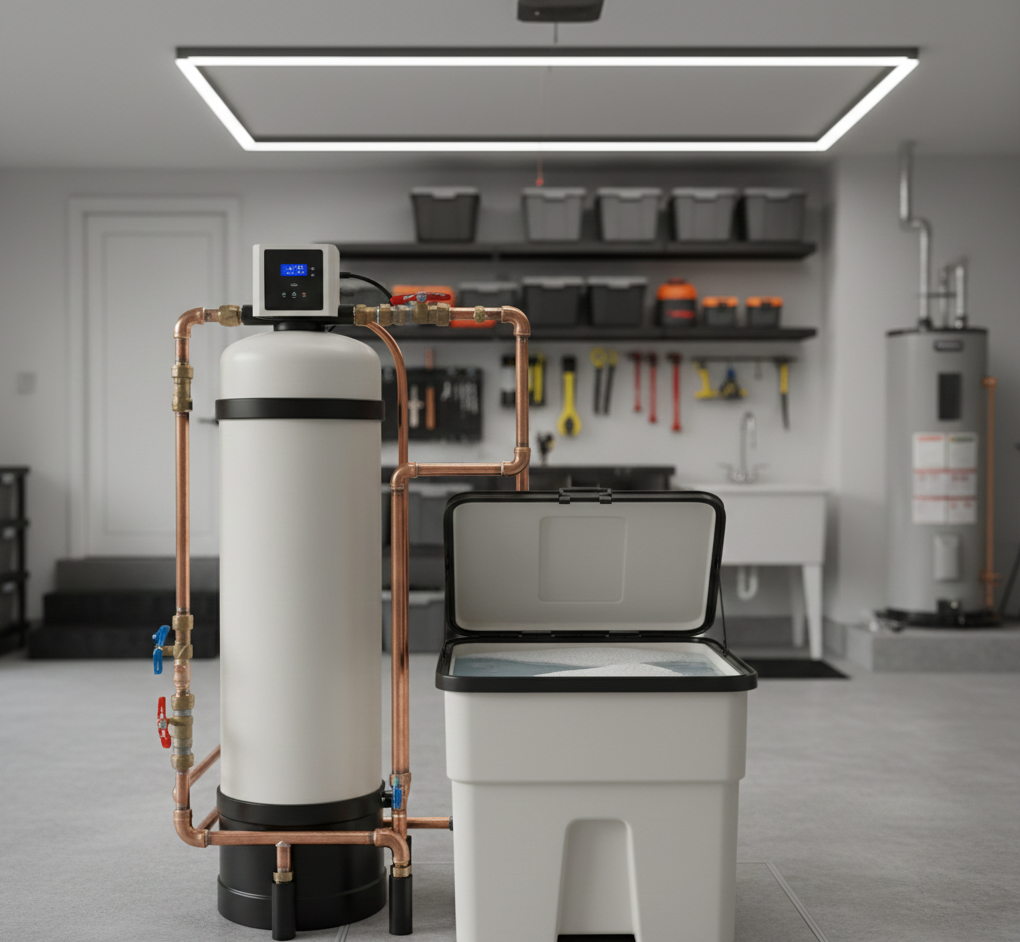
A water softener system might look like a giant tank, but it is actually a filter. Most systems use a process called ion exchange. Inside the tank are millions of tiny plastic beads. These beads have a negative charge. Calcium and magnesium have a positive charge. As water flows through the beads, the minerals stick to them. It is like a magnet pulling metal shavings out of a pile of sand.+1
Once the minerals are trapped, the “soft” water flows out to your kitchen and bathroom. Every few days, the system needs to clean itself. This is called regeneration. It flushes the beads with a salty brine solution to wash the minerals away. This cycle keeps the water softener system running smoothly for many years. It is a simple piece of science that protects your entire house from damage.
Signs You Need a Water Softener System
You might not see the minerals in your water, but your house shows the signs. One of the biggest clues is “soap scum” in your bathtub. Hard water doesn’t let soap lather well. Instead, it creates a gray film that is very hard to scrub off. You might also see spots on your clean dishes. These are mineral deposits left behind after the water evaporates. This is a classic sign that a water softener system is needed.
Check your laundry too. Does your favorite t-shirt feel stiff or look dull? Hard water hides in the fabric and wears it down faster. Even your hair can be a sign. If your hair feels gummy or straw-like after washing, the water is likely the cause. Installing a water softener system can fix these issues almost overnight. It is one of those home upgrades that you can actually feel on your skin and see in your mirror.
Protecting Your Pipes and Appliances
Hard water is a silent killer for your plumbing. Over time, minerals build up inside your pipes. This is called “scale.” It narrows the space for water to flow, which lowers your water pressure. Your water heater has it even worse. The minerals sink to the bottom and form a thick layer of rock. This makes the heater work much harder, which raises your electric or gas bill every single month.
By using a water softener system, you stop this buildup before it starts. Your dishwasher, washing machine, and coffee maker will all last much longer. In fact, studies show that appliances using soft water can last up to 30% longer than those using hard water. Think of a water softener system as an insurance policy for your home’s infrastructure. It saves you money on repairs and keeps everything running as it should.
Different Types of Softening Systems
Not every water softener system is the same. The most common type is the salt-based ion exchange system. These are very effective and great for very hard water. However, some people don’t like adding salt to their water. If that is you, you might look at a salt-free water conditioner. These don’t remove minerals but change them so they don’t stick to pipes. They are easier to maintain but don’t give you that “slippery” soft feeling.
There are also dual-tank systems. These are great for large families because one tank can provide soft water while the other is cleaning itself. For people in small apartments, a portable water softener system can hook right up to a single faucet or showerhead. Each type has its own pros and cons. It is important to know how much water you use before picking a model. A professional can help you test your water and find the perfect match.
Understanding the Installation Process
Installing a water softener system is a big job, but it is straightforward. Most systems are placed near where the main water line enters the house. This ensures that all the water in the home gets treated. You will need a nearby drain for the regeneration water and a power outlet for the control head. If you are handy with tools, you might be able to do it yourself. However, most people hire a plumber to ensure there are no leaks.
During the setup, the plumber will “bypass” the water so you can still use it while they work. They will cut into the main pipe and install the system in between. They also set the computer on top of the tank. You have to tell the water softener system how hard your water is. This tells the machine how often it needs to clean the beads. Once it is plugged in and filled with salt, you are ready to enjoy soft water!
What Does a Water Softener System Cost?
Talking about money is important for any home project. The price of a water softener system can vary a lot. A basic unit for a small home might cost between $500 and $800 at a big-box store. If you want a high-end system with a long warranty, you might pay $1,500 to $2,500. Installation by a pro usually adds another $400 to $1,000. It seems like a lot, but remember the savings on soap and energy.
There are also monthly costs to keep in mind. You will need to buy bags of salt, which usually cost about $5 to $10 each. Most families go through one bag a month. You also have a small increase in your water bill because of the cleaning cycle. However, when you compare this to the cost of replacing a water heater or fixing clogged pipes, a water softener system usually pays for itself in just a few years.
How to Maintain Your System for Longevity
A water softener system is mostly “set it and forget it,” but it does need a little love. The most important task is checking the salt level. If the salt tank runs dry, the beads won’t get cleaned, and your water will turn hard again. I recommend checking the tank once a month. You should also look for “salt bridges.” This is a hard crust of salt that forms a bridge over the water, stopping the salt from dissolving properly.
Every year or two, it is a good idea to clean the brine tank entirely. Sometimes dirt and silt can build up at the bottom. You can also buy “resin cleaner” to pour into the system. This helps keep the plastic beads fresh and strong. With just a little bit of care, a good water softener system can last 15 years or more. It is one of the most durable appliances in a modern home if you treat it right.
Environmental Impact and Considerations
Some people worry about the salt that a water softener system flushes down the drain. In some dry areas, like parts of California, salt-based systems are actually restricted. This is because the salt can end up in the groundwater used for farming. If you live in an area with these rules, you might need to use potassium chloride instead of salt. It is more expensive but better for the soil and plants.
Another option is to only soften the hot water. This protects your heater and dishwasher but uses much less salt. You can also look for high-efficiency water softener system models. These use sensors to only regenerate when they absolutely have to. This saves both water and salt. Being a responsible homeowner means finding the balance between having great water and taking care of the environment around you.
Soft Water and Your Health
Is soft water better for your health? Many people think so. If you have eczema or very sensitive skin, hard water can be a major irritant. The minerals and soap scum left on the skin can cause flare-ups. A water softener system removes those irritants. Many people find they need much less lotion and hair conditioner after they switch. Their skin feels naturally smoother because it is actually clean, not covered in mineral dust.+1
One thing to watch out for is the sodium. A water softener system adds a tiny bit of sodium to the water. It is not a lot—usually less than a slice of bread—but if you are on a very strict low-salt diet for your heart, you should talk to your doctor. Many people choose to have a separate tap for unsoftened drinking water in the kitchen. This gives you the best of both worlds: great skin in the shower and low-salt water for drinking.
Common Myths About Water Softening
There are many myths about the water softener system. One myth is that it purifies water. This is not true! It removes minerals, but it does not remove bacteria, lead, or chemicals like chlorine. If you want pure drinking water, you might need a carbon filter or a reverse osmosis system to work alongside your softener. Another myth is that soft water makes you feel “slimy.” In reality, that is just how your skin feels when it is truly clean.
Some people also think that a water softener system will make their water taste like the ocean. This is also false. The system doesn’t dump salt into your water; it just uses salt to clean the beads. Most people cannot taste any difference in the water at all. If you do notice a taste, it might be the minerals that were already there. Understanding the facts helps you make the best choice for your health and your home’s happiness.
Frequently Asked Questions
1. How long does a water softener system last? Most high-quality systems last between 10 and 15 years. If you maintain the salt levels and clean the tank occasionally, some can even last up to 20 years.
2. Does a water softener system remove lead? No. These systems are designed to remove minerals like calcium. If you are worried about lead or chemicals, you should add a separate water filtration system to your home.
3. Is soft water safe to drink? Yes, for most people. It contains a small amount of extra sodium. If you are on a doctor-ordered low-sodium diet, you may want to use a bypass for your kitchen drinking water tap.
4. Can I use a water softener if I have a septic tank? Yes. Modern systems are designed to be safe for septic tanks. The amount of brine discharged during the cleaning cycle is not enough to harm the healthy bacteria in your septic system.
5. How much salt will my system use? On average, a family of four will use about one 40-pound bag of salt per month. This can change depending on how hard your water is and how much water you use daily.
6. Can I install a water softener system myself? If you have experience with plumbing, yes. However, it involves cutting pipes and ensuring a tight seal. Most homeowners find it safer and easier to hire a licensed plumber for the job.
Conclusion: Take Control of Your Home’s Water
Investing in a water softener system is one of the smartest moves a homeowner can make. It protects your expensive appliances, keeps your pipes clear, and makes your daily shower feel like a spa experience. No more scrubbing white crust off the showerhead or dealing with itchy, dry skin. While there is an upfront cost, the long-term savings on energy bills and repairs make it a very wise financial choice.