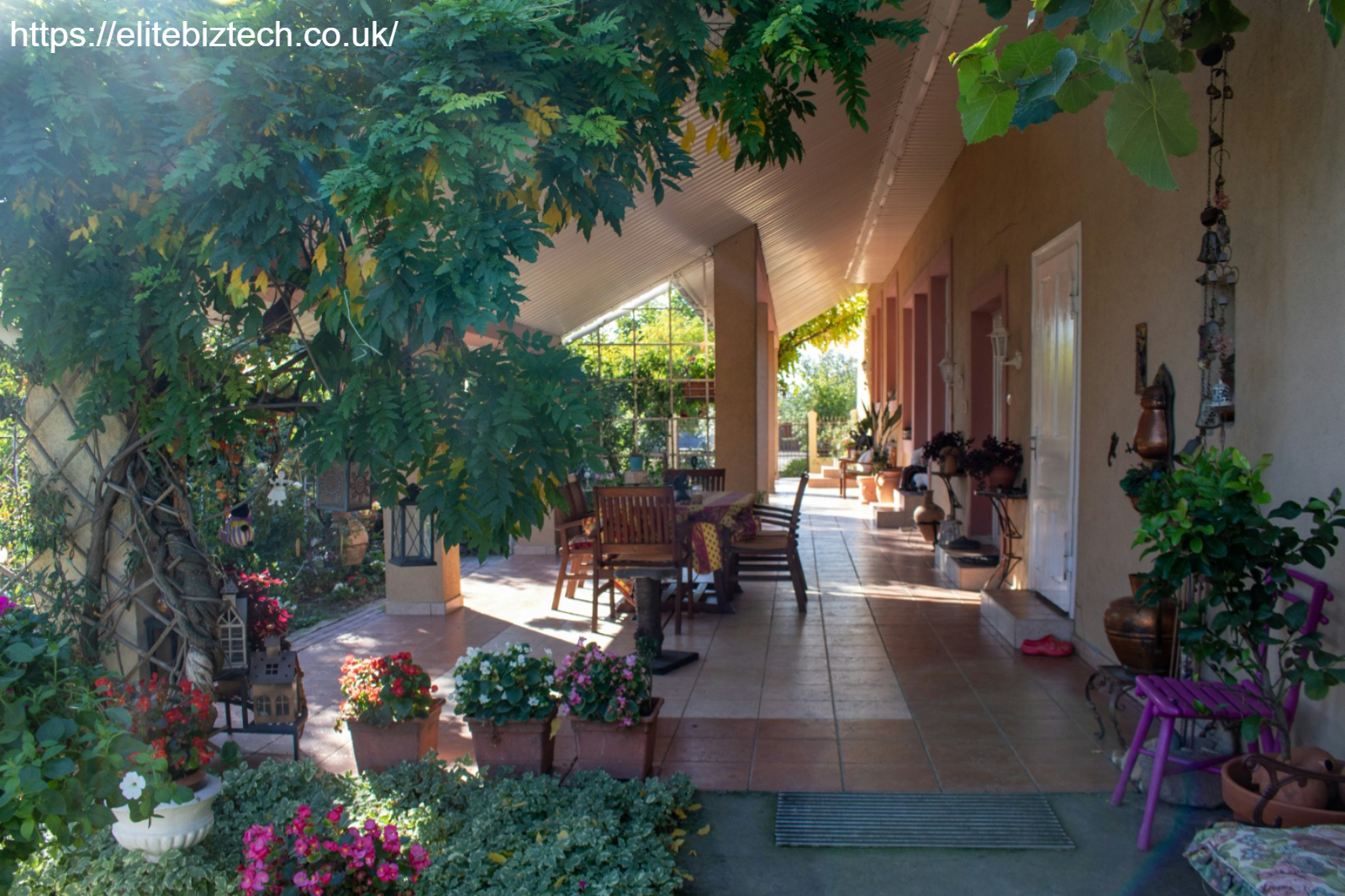
Zuhagarten: Transforming Spaces Into Serene Sanctuaries
What is Zuhagarten?
The term zuhagarten, translating to “home garden” in English, represents more than just a patch of flowers or a collection of vegetables; it embodies a holistic approach to gardening. This concept puts emphasis on creating a serene, personal sanctuary that facilitates relaxation and introspection. Emerging from various cultural backgrounds, the idea of a zuhagarten draws influences from traditional gardening practices while focusing on emotional wellness and mental clarity.
Unlike conventional gardening, which may prioritize aesthetics or food production, the zuhagarten strives to establish a tranquil atmosphere that nurtures the spirit. Incorporating elements such as water features, comfortable seating, and a variety of sensory plants is common. These features not only enhance the garden’s beauty but also foster an environment conducive to peace and mindfulness. Gardens designed with this philosophy in mind are often characterized by their soothing colors, natural materials, and diverse flora that can attract wildlife, creating a harmonious ecosystem.
The cultural significance of the zuhagarten cannot be overstated, particularly in today’s fast-paced world where many individuals yearn for a retreat from everyday stressors. By integrating natural elements, this type of garden serves as a restorative space that encourages self-reflection and emotional healing. The therapeutic effects of spending time in a zuzuhagarten include reduced anxiety, improved mood, and a greater sense of connection to nature. As more people seek ways to enhance their well-being, the zuhagarten emerges as a pivotal concept for cultivating personal havens that align with one’s inner peace.
Designing Your Own Zuhagarten
Creating a serene zuhagarten, a personal retreat defined by tranquility and beauty, begins with selecting the right location. Choose a space that offers both sunlight and shade, as these natural elements play a crucial role in plant growth and the overall atmosphere of the sanctuary. A quiet corner of your garden, balcony, or even a small backyard can serve as an ideal spot for your zuhagarten, allowing for privacy and reflection.
Once the location is determined, the next step involves choosing suitable plants. Opt for a mix of evergreen and seasonal blooms to ensure year-round appeal. Incorporating aromatic herbs, such as lavender or rosemary, can enhance sensory experiences. Native plants should also be considered for their lower maintenance and resilience, contributing to the eco-friendliness of your zuhagarten. Pay attention to plant height and color to create visually appealing layers and hues that harmonize with the overall design.
A pivotal element in any zuhagarten is the incorporation of features that enhance relaxation and enjoyment. Consider adding water elements, such as small fountains or ponds, as they can introduce soothing sounds while attracting beneficial wildlife. Edible plants and flowering shrubs can create a lively atmosphere. Seating arrangements, such as benches or cushions, can provide places for contemplation and connection with nature. Pathways made from stones or gravel can guide visitors through the space, promoting exploration and engagement with each element of your garden sanctuary.
Moreover, personalizing your zuhagarten allows for reflection of your style and preferences. Add decorative items, such as sculptures, wind chimes, or lanterns, that resonate with you. Use colors and materials that align with your aesthetic vision, creating an inviting ambiance that caters to your emotional and spiritual needs. Ultimately, your zuhagarten acts as a canvas for creativity, enabling you to construct a unique ecosystem that celebrates nature’s beauty in harmony with your personal lifestyle.
The Benefits of Zuhagarten for Mental Health and Well-being
A zuhagarten offers numerous mental health benefits, creating a unique environment that promotes tranquility and restoration. Research has consistently indicated that connecting with nature can significantly improve psychological well-being. A well-designed garden, or zuhagarten, acts as a sanctuary where individuals can retreat from the hustle and bustle of daily life. Spending time in such serene surroundings can reduce stress, anxiety, and depression, as the natural elements have a calming effect on the mind.
Studies suggest that immersing oneself in a garden environment fosters a sense of mindfulness and encourages relaxation. Nature’s sights and sounds engage the senses, allowing for a meditative experience that promotes mental clarity. The vibrant colors and fragrant scents of various plants can trigger positive emotions—making a zuhagarten not only an area for aesthetic enjoyment but also a powerful tool for emotional healing.
Incorporating practices such as mindfulness meditation within a zuhagarten enhances these benefits further. Individuals can cultivate a deeper awareness of the present moment while surrounded by lush flora and the gentle sounds of nature. Personal testimonials reinforce these findings, illustrating transformative experiences where individuals found solace and rejuvenation in their private gardens. Rather than merely a space for physical gardening, a zuhagarten becomes a therapeutic oasis that nurtures the mind and spirit.
The versatility of a zuhagarten allows it to cater to various needs—a quiet place for reflection, a vibrant venue for creative expression, or simply a peaceful retreat from the outside world. As people increasingly seek holistic approaches to their well-being, the zuhagarten stands out as a valuable asset in promoting mental health and serenity.
Maintaining Your Zuhagarten Year-Round
A successful zuhagarten requires dedicated care and attention throughout the entire year to maintain its serene ambiance and ecological health. Seasonal planting serves as the foundation of your garden care routine. In spring, for instance, it is an ideal time to introduce a variety of colorful flowers and leafy plants that thrive in warmer temperatures. Incorporating native species can significantly enhance the biodiversity of your zuhagarten, creating a natural habitat for beneficial insects and pollinators.
As summer approaches, regular watering and mulching are critical to prevent dryness and to retain soil moisture. Implementing drip irrigation systems can provide water efficiently and sustainably or you can resort to hand-watering during cooler parts of the day to minimize evaporation. Additionally, regular weeding will ensure that your plants are not competing for nutrients or space. During this time, light pruning can also promote healthy growth and enhance airflow.
With the arrival of autumn, it is essential to prepare your garden for the cooler months. This might involve planting hardy perennials that can withstand winter conditions, as well as mulching around plants to protect their roots. Cleaning up fallen leaves and debris is vital, as it helps reduce the potential for pests and fungal diseases. Winter can be a quieter time in the zuhagarten, yet it offers a chance to assess the space. Protecting sensitive plants with burlap screens or frost blankets can keep them safe from harsh conditions.
Throughout the year, embracing eco-friendly gardening methods such as composting, using organic fertilizers, and encouraging biodiversity through diverse plant selection can enhance the sustainability of your zuhagarten. These practices not only nourish your plants but also foster a healthy ecosystem, making your garden a true sanctuary for both you and local wildlife.